Short answer
The best gold panning locations in the UK are the Strath of Kildonan in Sutherland, Wanlockhead in the Lowther Hills and Tyndrum in Strathfillan - the three Scottish sites where you can buy a permit and pan legally the same day - followed by Leadhills, the Afon Mawddach in the Dolgellau Gold Belt, Dolaucothi in Carmarthenshire, Cornwall's Carnon Valley, the Lake District becks, the Sperrin rivers of Northern Ireland and the Dartmoor rivers of Devon. Scotland dominates the top of the list because it is the only UK nation with permit-backed public panning.
Every list of UK gold panning spots faces the same test: would you actually send a beginner there, and would they come home with gold in a vial, legally? This is the ranked answer. Ten locations, strongest case first, each judged on three things - the gold record, the ease of access, and how clean the legal route is. Scotland takes four of the top four ranks, and that is not home bias; it is the plain consequence of geology and of the only permit schemes in the country. Every site below is plotted on the UK Gold Prospector interactive map with GPS coordinates and access notes.
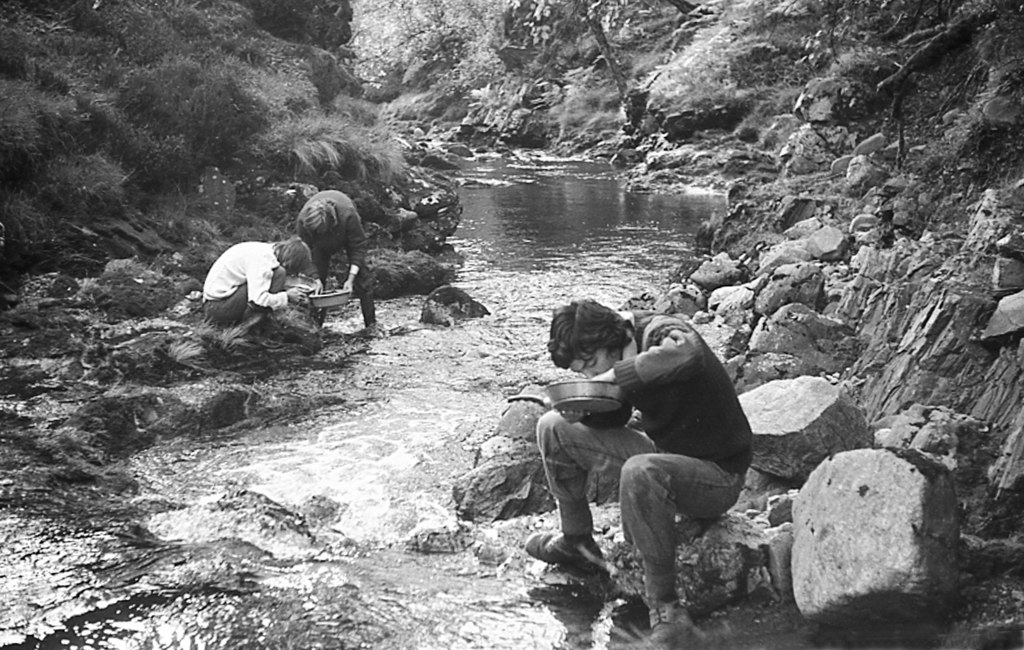
A word on method before the countdown. The ranking rewards places where the gold is real and documented, where a visitor can actually get on the water without weeks of legal legwork, and where the permission position is unambiguous. That is why permit-backed sites outrank geologically richer but legally harder ground, and why some famous names sit lower than their reputation suggests. If you want the general how-and-where primer rather than a ranked list, start with our companion guide to where to pan for gold in the UK; if you want the statutes, the UK gold panning laws guide covers every nation. One legal point applies to all ten entries and is worth stating once, plainly: unworked gold in Britain belongs to the Crown under the Royal Mines Act 1424 (Scotland) and by royal prerogative (England and Wales), no body issues recreational gold-panning licences on the Crown's behalf, and landowner permission - whether through a permit scheme or arranged directly - is required everywhere. Nothing on this list is a free-for-all.
The top 10
- Strath of Kildonan, Sutherland
- Wanlockhead and the Mennock Water
- Tyndrum Community Woodland, Strathfillan
- Leadhills and the Glengonnar Burn
- The Afon Mawddach and the Dolgellau Gold Belt
- Dolaucothi Gold Mines, Carmarthenshire
- The Carnon Valley, Cornwall
- Caldbeck Fells and Coniston, Lake District
- The Sperrin Mountains, Northern Ireland
- The Dartmoor rivers, Devon
See all ten on the live map
200 BGS-verified UK gold locations with GPS coords, access notes and geology - every site in this ranking, mapped in seconds.
Unlock the full UK gold map
Every verified gold site in all four nations on the live GPS map - exact coordinates, permit notes and access. One payment, lifetime access.
Strath of Kildonan, Sutherland - the Best Gold Panning Location in the UK
The Strath of Kildonan takes the top rank because it wins on all three tests at once. The gold record is the strongest in Britain: the Kildonan and Suisgill Burns, tributaries of the Helmsdale River in eastern Sutherland, sustained the 1868-69 Sutherland Gold Rush - roughly 600 prospectors at its peak and two temporary settlements, Baile an Or and Carn na Buth - and the catchment's altered-granite source makes it the most likely place in the country to lift a piece of gold big enough to call a picker rather than a flake. Sutherland is also the general area most widely associated with the modern record: the 121.3-gram Reunion Nugget of 2019, the largest gold nugget ever recovered in Britain.
Access is the second win. The Suisgill Estate sells day permits for the Kildonan and Suisgill Burns at roughly 15 pounds per adult, free for under-16s, issued online via QR code, with a season running 15 April to 1 October. The permitted stretch of the Kildonan Burn runs upstream from the stone bridge at Baile an Or to the Kildonan Falls - the same water the 1869 prospectors worked. The rules are clear and printed: pan, sieve, trowel and a hand pump up to 2.5 inches allowed, sluices prohibited, maximum two weeks per person per year.
And legality is the third. A Suisgill permit is a landowner arrangement, not a Crown licence - the Crown still owns the gold - but it is the cleanest, longest-established recreational framework in the UK, and working within it plus the SEPA good-practice rules is the recognised legal route. Remote, beautiful, historically resonant and productive: nowhere else in Britain puts all four together. Full detail in our dedicated Kildonan and Helmsdale guide.
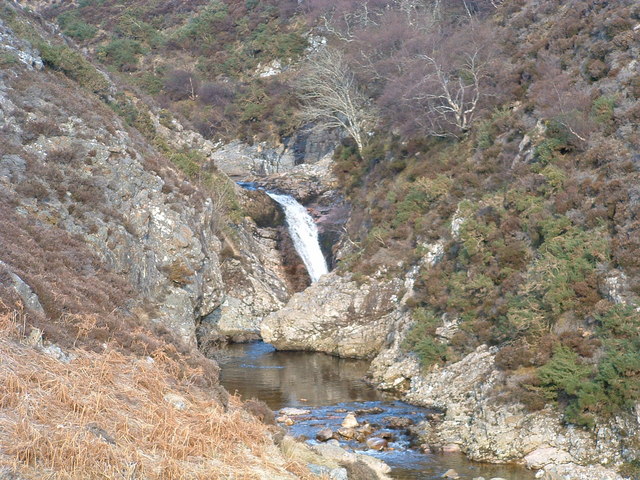
Wanlockhead and the Mennock Water - the Best Place for Beginners
Wanlockhead is the only place in the UK where a complete beginner can arrive with no kit, no experience and no contacts, and be panning genuine gold the same afternoon. The Museum of Lead Mining sells gold panning licences on behalf of Buccleuch Estate - day, week or annual - for the Mennock Water, Wanlock Water and their feeder burns, and runs taught day courses where pans, classifiers, tuition and the licence come as one package. No other UK site removes that much friction, which is why it ranks second overall and first for anyone starting out.
The gold is real and anciently documented. Wanlockhead's panning record goes back at least to a documentary reference of 1510, the village was known historically as "God's Treasure House" for its lead, silver, zinc and gold, and the Mennock Water has produced documented nuggets including an 18-gram piece. The Mennock Pass road runs alongside the gold-bearing water for miles, giving the most accessible roadside panning in Britain, in the hills above the highest village in Scotland at around 470 metres.
A typical productive day is the honest UK standard - a dozen flakes and a snuffer bottle of black sand - but the combination of cheap licence, taught technique and shelter in the village when the Lowther weather turns makes this the most weather-resilient and beginner-proof trip on the list. Full detail in our Wanlockhead and Leadhills guide.
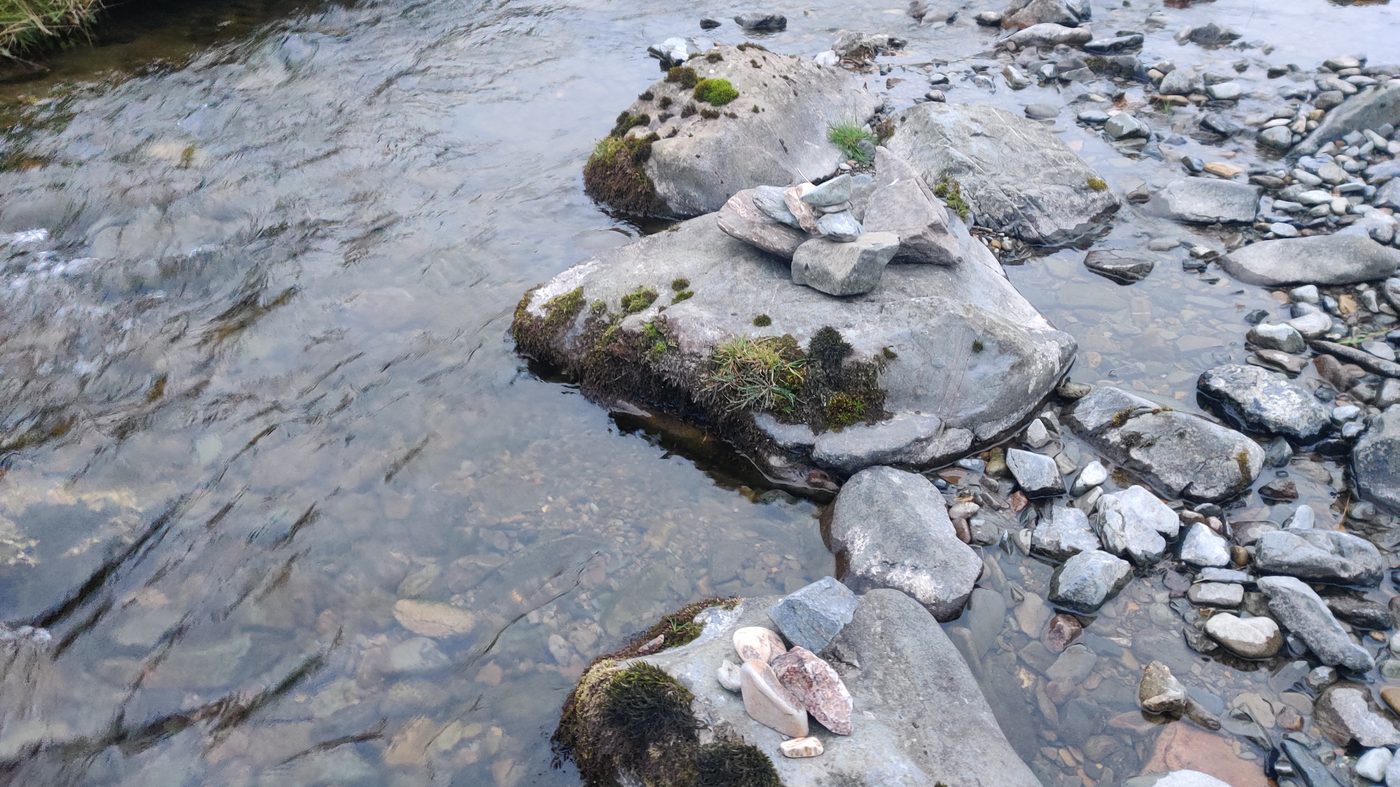
Tyndrum Community Woodland, Strathfillan - Panning in Cononish Country
Tyndrum earns third place for a reason no other site on this list can claim: the geology under your pan is proven at commercial scale. The village sits in Strathfillan, inside the Loch Lomond and the Trossachs National Park, on the same Dalradian metasediments that host the Eas Anie vein at Cononish - Scotland's only modern commercial gold mine, three kilometres up the glen. The burns draining the surrounding hills have carried alluvial gold known to locals for at least four hundred years.
The legal route is specific and clean once you know it. You do not pan at the mine - Cononish is an active industrial site with restricted access. The public pan in the Tyndrum Community Woodland, where the Strathfillan Community Development Trust operates a permit scheme for the woodland's drainage: permits are bought through the Trust's website, the proceeds support community projects, and the conditions follow the standard SEPA template - hand tools only, no bank digging, hollows refilled the same day, no panning in the spawning closure. Check current pricing and conditions on the Trust's site before travelling.
It ranks below Kildonan and Wanlockhead only because the recovery expectation is the same flake gold without Kildonan's nugget pedigree or Wanlockhead's taught course - but as a Highland weekend that combines legal panning with the West Highland Way and Ben Lui next door, it is hard to beat. Full detail in our Tyndrum gold panning guide.
Leadhills and the Glengonnar Burn - the Quiet Side of the Lowther Hills
Leadhills, over the watershed from Wanlockhead in the Lowther Hills, is the fourth entry rather than a footnote to the third for a practical reason: it is where the same licence buys you quieter water. The Museum of Lead Mining's licence covers the Glengonnar Burn on the Leadhills side along with the Wanlock Water, and both are smaller, more intimate streams than the Mennock - which means the well-known easy-access stretches are less worked over on a busy summer Saturday.
The geology explains why the whole district produces across so many separate burns. The Lowther Hills gold is not concentrated in one discrete vein; it sits dispersed through wide stratabound pyrite and arsenopyrite horizons in the Southern Uplands rocks, and centuries of weathering have stripped it into essentially every burn draining the mineralised zone. For the panner that translates into choice: if one stream is busy or coloured after rain, another within walking distance is carrying the same gold.
The realistic day is the Lowther standard - flakes, black sand, and the outside chance of a picker that the district's documented nuggets prove is never zero. Treat Wanlockhead and Leadhills as one trip: learn on the Mennock, then earn your quieter pans on the Glengonnar. Both are covered in our Wanlockhead and Leadhills guide.
The Afon Mawddach and the Dolgellau Gold Belt - the Best of Wales
The highest-ranked location outside Scotland is the Mawddach catchment in Gwynedd, and the case for it is pedigree. The rivers here drain the Dolgellau Gold Belt - the 15-mile arc of Cambrian rock around the Harlech Dome that hosted Clogau St David's and Gwynfynydd, the two mines behind a century of royal wedding rings from 1923 onwards - and the flake gold in the gravels today is alluvial reworking of those same source rocks. Panning the Mawddach system is the closest a hobbyist gets to the most culturally valuable gold in Britain.
The reason it does not rank higher is administration. Wales has no permit scheme: every session needs direct written permission from the landowner or land manager for the specific bank-side parcel - which in the Coed-y-Brenin forestry means Natural Resources Wales - plus NRW's in-river good-practice compliance and the Eryri National Park's conditions across most of the productive upper catchment. The tributaries most consistently associated with gold are the Afon Wnion and the Afon Eden, working the water above the tidal limit; the confluences, the cymerau, are the classic features. A prospector who does the groundwork and hits a settled late-summer window can genuinely expect fine, characteristically slightly red flake gold.
Full detail in our Wales gold guide and the dedicated Dolgellau Gold Belt deep-dive.
Dolaucothi Gold Mines, Carmarthenshire - the Roman Option
Dolaucothi at Pumpsaint is a different kind of entry: you cannot freely pan here, and that is precisely why it makes the list. The site is Britain's only confirmed Roman gold mine - worked from roughly AD 75 to 220 with opencasts, adits and an aqueduct-fed hushing system that survives as one of the most complete Roman gold-mining landscapes outside Spain - and it is a scheduled ancient monument under National Trust care. Self-directed panning is not available, because the archaeology runs through the ground and into the adjacent stream deposits.
What the Trust provides instead is the guided panning experience: supervised sessions using prepared gold-bearing material, alongside underground tours of the Roman and Victorian workings. It is, in 2026, the only fully legal, instructor-led route into gold panning anywhere in Wales - the Welsh equivalent of the Wanlockhead course. A beginner with no kit and no contacts can turn up, pay the entry fee, and leave with small flakes of real Welsh gold in a vial and the technique to use elsewhere.
It ranks sixth because the recovery is modest and the format is an experience rather than open prospecting - but as the legal front door to Welsh gold, and the natural first step before tackling Mawddach permissions, it earns its place. Booking details are on the National Trust website; context in our Wales guide.
The Carnon Valley, Cornwall - England's Longest Gold Record
England's best entry is the Carnon Valley, and its claim is continuity. The medieval and early modern tin-streamers who worked these gravels - through Perranarworthal, Devoran and Bissoe - recovered placer gold alongside the cassiterite as a documented by-product, and references to Cornish gold finds run from the late medieval period to the present day. No other English district has a recovery record that long or that continuous, and the valley's mineral assemblage - cassiterite, gold, mimetite, trace tungsten - is unusually rich for a small alluvial field.
The gold itself is distinctive: Carnon Valley placer flake characteristically carries roughly 15-20 per cent silver - a higher silver content than typical Scottish placer gold - giving it a paler, more electrum-like colour in the pan. What holds the rank to seventh is the framework. There is no permit scheme anywhere in England; a Carnon session needs landowner permission and Environment Agency compliance arranged for the specific stretch, and much of the valley sits inside the Cornish Mining World Heritage Site, which adds heritage constraints on disturbing the historic landscape.
The realistic outcome is small flakes, slowly won - Cornish gold is fine, scarce and slow to reward effort - but for a prospector who values working ground with seven centuries of documented gold behind it, the Carnon is England's aristocrat. Full detail in Is there gold in Cornwall? and the wider England regional guide.
Caldbeck Fells and Coniston - the Lake District's Gold Becks
The Lake District is England's most consistently documented gold-bearing region after Cornwall, and its two poles are Caldbeck on the northern fringe of the fells and Coniston on the south. The Caldbeck Fells host mineralised veins worked since at least the sixteenth century for copper, lead and barytes, with gold assayed from the ore since the early modern period and confirmed by modern surveys; the becks draining the mineral field - the Roughton Gill and Carrock Mine catchments running toward the Caldew - carry low-concentration alluvial gold from the weathered veins. At Coniston, Church Beck, draining the Copper Mines valley through the historic workings, is the most frequently cited gold-bearing stream in the recreational literature.
The becks read exactly like small Highland burns - bedrock cracks, boulder shadows, gravel-bar tails - with one caveat: Cumbrian flake gold runs finer on average than Scottish, so classification and patient finishing matter more. The reason the Lakes rank eighth rather than higher is the paperwork stack. National Park byelaws, the UNESCO World Heritage inscription, SSSI notifications needing Natural England consent, National Trust land and layered common-grazing tenure mean an unprepared visitor is likely in breach of something at almost any productive site. The route through exists - it is simply groundwork, done stretch by stretch, before you ever wet a pan.
Full detail in Is there gold in the Lake District?
The Sperrin Mountains - Northern Ireland's Dalradian Gold
The Sperrins earn ninth place on geology that would rank far higher if the access matched it. The range sits on the same Dalradian belt that hosts the Scottish Highland gold, and County Tyrone's Curraghinalt deposit, near Greencastle, is among the highest-grade undeveloped gold deposits on Earth - with the Omagh Mine at Cavanacaw the most developed gold operation in Northern Ireland. The rivers draining this country - the Glenelly through the heart of the high Sperrins, the Owenkillew to its south, the Moyola on the Londonderry side and the Owenreagh among the smaller burns - carry genuine alluvial flake gold, and read exactly like Tyndrum or Wanlockhead water.
The catch is the framework, which is unique in the UK. In Northern Ireland gold and silver remain Crown property, but the wider framework is different: under the Mineral Development Act (Northern Ireland) 1969 most mineral rights are vested in the Department for the Economy, there is no recreational licence scheme of any kind, and much of the most prospective Sperrin ground sits under exclusive commercial mineral licences a hobbyist must avoid. Add landowner permission (there is no statutory access right), ASSI designations and the spawning closure, and the groundwork per stretch is the heaviest on this list.
The reward for doing it properly is working gold-bearing Dalradian rivers that almost nobody else is panning. Full detail in our Northern Ireland gold guide.
The Dartmoor Rivers, Devon - the Bovey, Teign and Dart
The final rank goes to Devon's Dartmoor rivers - the Bovey draining the moor's north-east margin, the Teign cutting through the granite on its eastern flank, and the Dart system with the Webburn and Walkham off the southern slopes. The gold here comes from the eastern side of the Cornubian granite system, the same mineralised batholith that made Cornwall, and modern recreational finds, while small, are reasonably consistent for prospectors who put the hours in. That consistency is what lifts Devon onto the list ahead of the North Pennines.
The honest framing is that this is practice country. A productive Devon session is a few small flakes and a bottle of black sand out of a heavy concentrate fraction that takes longer to finish than a clean Highland pan - and Dartmoor National Park byelaws mean the default assumption inside the Park is restriction until a site-specific check, landowner permission and Environment Agency compliance clear the specific stretch. But for a south-west prospector, building technique on familiar rivers before spending a big weekend at a Scottish permit site is exactly the right use of it.
Full detail in Is there gold in Devon?
Near misses. The North Pennines (upper Tyne, Wear and South Tyne) carry real trace gold from the lead orefield but average pans run to flour gold - a local long-term hobby rather than a destination. Glen Shira in Argyll and the central Ochil Hills around Glendevon hold documented Scottish gold but have no permit framework, so the legal legwork puts them outside a best-of list aimed at trips you can actually take. All are on the interactive map.
All 10 Compared - Permits, Legality and What You Will Find
| # | Location | Legal route | Realistic haul | Best for |
|---|---|---|---|---|
| 1 | Strath of Kildonan, Sutherland | Suisgill Estate day permit, ~£15, 15 Apr - 1 Oct | Flakes; the UK's best picker odds | Best overall; the classic goldfield |
| 2 | Wanlockhead / Mennock Water | Museum of Lead Mining licence + taught courses | Flakes; 18 g Mennock nugget on record | Beginners; kit and tuition included |
| 3 | Tyndrum Community Woodland | Strathfillan Community Development Trust permit | Flake gold in Cononish-proven geology | Highland weekends; easiest from Glasgow |
| 4 | Leadhills / Glengonnar Burn | Same Museum of Lead Mining licence district | Flakes on quieter water | Quieter pans on the same licence |
| 5 | Afon Mawddach / Dolgellau belt | Written landowner/NRW permission per stretch | Fine, slightly red Welsh flake | Committed prospectors; royal gold country |
| 6 | Dolaucothi, Carmarthenshire | National Trust guided experience only | Small flakes, supervised | Families and first-timers in Wales |
| 7 | Carnon Valley, Cornwall | Landowner + EA; World Heritage Site constraints | Small silvery flakes, slowly won | History lovers; the tin-streamers' gold |
| 8 | Caldbeck / Coniston, Lake District | Landowner + NP byelaws + SSSI consents | Fine flakes at low concentration | England's best documented gold region |
| 9 | Sperrin rivers, Northern Ireland | Landowner permission; avoid mineral-licence areas | Fine Dalradian flake | The Dalradian frontier; explorers |
| 10 | Dartmoor rivers, Devon | Landowner + EA; assume NP restriction until cleared | A few fine flakes | South-west locals building technique |
The pattern in the table is the article's thesis in miniature. The top four ranks are the only four places in the UK where the permission question is answered by buying a permit or licence; from rank five down, the prospector carries the legal groundwork personally, and the ranking tracks how heavy that groundwork is against how good the gold record is. It is also why the standing advice across all our regional guides converges on the same sentence: build technique locally, but for the productive weekend, go where the permits are.
Where Can You Pan for Gold Near Me?
"Gold panning near me" has a different answer depending on which part of the UK you are in, so here is the routing table. In Scotland you are in the lucky nation: Wanlockhead and Leadhills serve the central belt and the south, Tyndrum sits an hour and a quarter north of Glasgow where the A82 meets the A85, and Kildonan rewards the long drive north - or the train, via the halt at Kildonan station. In Wales and the West Midlands, the Mawddach catchment around Dolgellau is your gold country, with Dolaucothi in Carmarthenshire as the guided starting point. In northern England, the Lake District becks are closest - and Wanlockhead is often still the better day out, because it is the nearest place you can simply buy a licence. In the South West, Cornwall's Carnon Valley and Devon's Dartmoor rivers are on your doorstep. In Northern Ireland, the Sperrin rivers of Tyrone and Londonderry are the destination.
What no part of the UK has is legal panning on a random local river without permission. Wherever "near me" is, the gold belongs to the Crown and the riverbank belongs to a landowner - which is why the honest near-me answer for most of Britain is the nearest of the three Scottish permit sites, and why the interactive map marks access notes, not just gold. New to all of it? Start with our beginner's guide and the general where-to-pan guide.
Is Gold Panning Legal at These Locations?
Yes - through the right route, at every entry above - but the ownership position surprises most newcomers, so here it is without varnish. Unworked gold and silver in Britain belong to the Crown: under the Royal Mines Act 1424 in Scotland and by royal prerogative (the Case of Mines, 1568) in England and Wales. Neither the Crown Estate nor Crown Estate Scotland issues recreational gold-panning licences, and Crown Estate Scotland's stated position is that it does not grant permission for recreational removal of gold at all. In Northern Ireland gold and silver also stay with the Crown, while most other minerals are vested in the Department for the Economy under the Mineral Development Act (Northern Ireland) 1969. The gold you pan is never automatically yours in law, and no permit on this list pretends otherwise.
What makes the hobby work in practice is the two layers underneath. First, landowner permission: the Scottish permit schemes at Kildonan, Wanlockhead/Leadhills and Tyndrum are landowner and community arrangements that sell it over the counter; everywhere else you arrange it directly, ideally in writing, for the specific stretch. Second, environmental compliance: SEPA in Scotland, the Environment Agency in England, Natural Resources Wales in Wales and the NIEA in Northern Ireland all expect hand tools only, no bank digging, same-day restoration of any disturbance, and no panning between 1 November and 31 May where Atlantic salmon and trout are present - which covers virtually every river in this ranking. These are not theoretical rules: in Wales, Natural Resources Wales enforces actively - a 2022 prosecution for unlicensed panning ended in a conviction and a fine of over £3,000. Work inside a permit or a permission, inside the environmental rules, and with restraint about what you remove, and you are operating the way the established schemes have operated for decades. The full statute-by-statute picture, nation by nation, is in our UK gold panning laws guide.
Will You Actually Find Gold?
At the permit sites: yes, almost certainly - and almost certainly less than you are imagining. A fair day at Kildonan, Wanlockhead or Tyndrum is flour gold plus a dozen small flakes in a snuffer bottle, mostly half-millimetre to two-millimetre pieces you tilt to the light to see. Pickers the size of a rice grain come up several times a season for regulars. Nuggets are multi-decade events: the Reunion Nugget at 121.3 g (2019) and the Douglas Nugget at 85.7 g (2016, now in the Hunterian Museum in Glasgow) made national news precisely because nothing like them turns up in a normal decade of panning.
Off the permit sites, scale down again. English, Welsh and Northern Irish recreational gold is fine flake and flour recovered in trace quantities, and a "productive" day in Cornwall or the Lake District is a few specks that confirm the geology rather than pay for the petrol. That is not a reason to skip them - it is a reason to sequence them: learn at Wanlockhead or Dolaucothi, chase better gold at Kildonan, and treat everything south of the border as exploration with a story attached. Once you are on legal gold-bearing water, technique does more for your recovery than location - our river-reading guide covers it, and the full kit rundown is in the equipment guide.
The realist's summary: rank one is where the gold is best, rank two is where you will learn fastest, rank six is where a first pan is guaranteed - and the famous Welsh rivers are where unprepared visitors risk prosecution. Choose accordingly.
Frequently Asked Questions
What is the best place to pan for gold in the UK?
The Strath of Kildonan in Sutherland is the best gold panning location in the UK. The Suisgill Estate sells day permits at roughly £15 per adult for the Kildonan and Suisgill Burns, the season runs 15 April to 1 October, and the catchment has the strongest gold record in Britain - it produced the 1868-69 Sutherland Gold Rush and remains the most likely place in the country to recover a piece of gold larger than a flake. For a complete beginner, Wanlockhead is the better first trip because the Museum of Lead Mining bundles licence, kit and tuition into a taught day course.
Where can I pan for gold near me in the UK?
It depends which nation you are in. Scotland has the only three permit-backed public sites - Kildonan, Wanlockhead and Tyndrum. In Wales the guided experience at the National Trust's Dolaucothi Gold Mines is the only instructor-led legal route, with the Mawddach catchment workable under direct landowner permission. In England the documented districts are the Carnon Valley in Cornwall, the Caldbeck and Coniston areas of the Lake District, and the Dartmoor rivers in Devon - all needing landowner permission arranged per stretch. In Northern Ireland the Sperrin rivers carry the gold, again with no permit scheme. The interactive map plots 200 BGS-verified locations with access notes so you can find the nearest documented site to you.
Is gold panning legal in the UK?
Yes, but only with the right permissions, and the gold itself is never automatically yours. Unworked gold and silver belong to the Crown under the Royal Mines Act 1424 in Scotland and by royal prerogative (the Case of Mines, 1568) in England and Wales, and neither the Crown Estate nor Crown Estate Scotland issues recreational gold-panning licences. In Northern Ireland gold and silver stay with the Crown; the Mineral Development Act (Northern Ireland) 1969 vests most other minerals in the Department for the Economy. In practice, the legal routes are the three Scottish permit schemes, the guided experience at Dolaucothi, or direct landowner permission combined with the environmental rules of the relevant nation - including the salmon-spawning closure from 1 November to 31 May where salmonids are present. Full detail in our laws guide.
Do I need a permit to pan for gold in the UK?
At the three established Scottish sites, yes - and they are the only over-the-counter permits in the country. The Suisgill Estate sells Kildonan day permits at roughly £15 per adult, the Museum of Lead Mining sells day, week and annual licences for the Wanlockhead and Leadhills burns on behalf of Buccleuch Estate, and the Strathfillan Community Development Trust sells permits for the Tyndrum Community Woodland. Everywhere else in the UK there is no permit scheme at all: you need direct, ideally written, landowner permission for the specific stretch plus compliance with the environmental regulator's good-practice rules. A permit or permission gets you access - the Crown's underlying ownership of the gold still stands.
Can beginners actually find gold in the UK?
Yes. A complete beginner on the Wanlockhead taught day course can realistically be panning genuine Scottish flake gold in the Mennock Water before lunch, with pans, classifiers, tuition and the licence all included. The guided panning experience at Dolaucothi does the same job in Wales under National Trust instruction. Expectations should be honest: a fair day at any UK site is a dozen flakes and a bottle of black sand, not a nugget. Our beginner's guide covers the route from first pan to first flake.
What is the largest gold nugget ever found in the UK?
The Reunion Nugget, at 121.3 g, is the largest gold nugget ever recovered in Britain. It was found in a Scottish river in 2019 by an anonymous prospector using sniping - snorkelling with hand tools to inspect bedrock pockets - and the exact location was withheld. The previous record-holder, the 85.7 g Douglas Nugget found in a Scottish burn in 2016, is on display at the Hunterian Museum at the University of Glasgow. England has no documented record-holder of comparable size; the largest English finds have been small pickers and consolidated flakes.
Where is the best place to pan for gold in England?
There is no single permit-backed English site, so it is a judgement between districts. The Carnon Valley in Cornwall has the longest continuous history of gold recovery in England, dating from the medieval tin-streaming era, and its placer gold runs 15-20 per cent silver, giving a paler, electrum-like colour. The Caldbeck Fells and Coniston streams in the Lake District - Church Beck is the most cited - have a base-metal mining record that produced gold as a by-product from at least the sixteenth century. The Dartmoor rivers in Devon give modest but reasonably consistent small finds. Every English session needs landowner permission and Environment Agency compliance arranged individually - see the England regional guide.
When is the best time of year to go gold panning in the UK?
June to October, with mid-June to mid-September the productive core. The salmon-spawning closure prohibits panning between 1 November and 31 May on catchments where Atlantic salmon and trout are present, which covers virtually every gold-bearing UK river, and the Suisgill Estate at Kildonan formalises its own season as 15 April to 1 October. Within the legal window, low summer water is the productive condition, and the single best sampling opportunity is the falling river two to six weeks after a big spate, once the water has cleared and the flood has re-sorted the gravels. Technique for reading that water is in our river-reading guide.
Can I keep or sell the gold I find in the UK?
Treat it carefully. Gold in Great Britain is technically Crown property under the Royal Mines Acts, and Crown Estate Scotland has stated it does not grant permission for recreational gold removal - so the clean route is the recognised permit schemes, where long-standing local arrangements plus SEPA compliance have made recreational panning workable in practice. Some permit schemes restrict commercial sale of finds from their sites, so read your permit conditions before selling anything. For most hobbyists a vial of flakes is worth far more as a souvenir than as metal - our UK gold panning laws guide covers the position in full.
What is the best UK gold panning day out for families?
Two stand out. The National Trust's Dolaucothi Gold Mines at Pumpsaint - the only confirmed Roman gold mine in Britain - runs a guided panning experience using gold-bearing material from the site, so children get colour in the pan under supervision with zero legal admin. In Scotland, the Wanlockhead taught course bundles kit, tuition and the licence, and at Kildonan the Suisgill Estate permit is free for under-16s. Check current opening, booking and prices before travelling.
Important: All UK gold panning is subject to Crown gold rights (royal prerogative in England & Wales, the Royal Mines Act 1424 in Scotland), the Mineral Development Act (Northern Ireland) 1969, and to country-specific access, environmental and protected-site law. Neither the Crown Estate nor Crown Estate Scotland issues recreational gold-panning licences; the permit schemes referenced in this ranking are local landowner and community arrangements, not delegated Crown grants. Always check current permit terms, landowner permission, SSSI/ASSI/SAC status and the relevant agency conditions before working any river. Never dig the bank. Do not pan between 1 November and 31 May where Atlantic salmon and trout are present. This article is general guidance, not legal advice - verify current law with the relevant authority for your area. Full detail in our UK gold panning laws guide.
200 BGS-verified UK gold locations - every site in this top 10 mapped with GPS coordinates, access notes and geology.
Open the Interactive Map →Free Beginner's Pack - 16-page PDF: top 10 UK locations with GPS, equipment checklist, legal cheat sheet and app tutorial.
Get the Free Pack →