Short answer
Yes - you can book a gold panning experience in the UK, but the options are few and most are seasonal. In Scotland: taster sessions and a 5-hour course at the Museum of Lead Mining in Wanlockhead, permit panning on the Kildonan Burn near Helmsdale, and UK Gold Prospector's private two-day experience days, now taking bookings for a 2027 founding season. In Wales: the National Trust's Dolaucothi Gold Mines, with underground tours and gold panning. In England: Holsworthy Gold Panning in Devon. The Clogau mine in Wales is closed and has no tours.

UK Gold Prospector Experience Days · 2027
Learn to find gold yourself: two days on a Scottish burn
- Private: just you, or you and one other, with me guiding
- Permitted panning ground in Scotland
- Your own panning kit to take home
- Gold guaranteed: see gold by the end of day two, or take a vial home on me
£425 one person · £695 for two · only 12 slots in 2027
Run by UK Gold Prospector. Other places to book are listed below.
This is a booking guide: where you can go, who will show you how, and how to book, country by country. For the history of the mines themselves, see our guide to gold mines in the UK and whether you can visit them.
Where can you book a gold panning experience in the UK?
We leave out other businesses' prices and dates because they change - each link goes to the venue's own site.
| Venue | What it is | Suits | How to book |
|---|---|---|---|
| Museum of Lead Mining Wanlockhead, Scotland | 20-minute taster in panning tanks, or a 5-hour course | Families (taster); keen beginners (course) | leadminingmuseum.co.uk |
| Kildonan Burn and Suisgill Helmsdale, Scotland | Self-guided panning on an estate permit; a private burn for estate cottage guests | Independent panners; a self-catering break | suisgill.co.uk |
| UK Gold Prospector experience days Scotland | Two private days panning real burns, with tuition and kit to keep; 2027 founding season | Beginners who want to learn to find gold for themselves; one or two people | experience-days |
| Dolaucothi Gold Mines Carmarthenshire, Wales | National Trust Roman gold mine: underground tours and gold panning | Families and history lovers | nationaltrust.org.uk |
| Clogau St David's Gwynedd, Wales | Closed mine - no tours | Walkers only, from outside | Not bookable |
| Holsworthy Gold Panning Devon, England | Guided panning experience at Southcombe Farm | Beginners learning the technique | devongoldrush.com |
What happens on a panning day, and what will you find?
Every session, from a museum tank to a remote burn, teaches the same routine. Gold is far heavier than the sand and stones it travels with, so you sieve gravel into the pan, shake it under water so the heavy particles sink, tilt and wash the light top layer over the lip, then work slowly down to the black sand, where you look for colour. A longer course or guided trip adds the part that matters - reading the water.
Be realistic about the result. British river gold is mostly fine specks and small flakes; the Museum of Lead Mining says many burns around Wanlockhead "contain abundant amounts of small flakes of gold and even the odd nugget". For a beginner on a real stream, one flake you can see by eye is a good day.
Scotland: which gold panning days can you book?
Scotland has the most choice: from a 20-minute family taster to two full days on the water.
Museum of Lead Mining, Wanlockhead
What it is: a museum in Wanlockhead village in the Lowther Hills of Dumfries and Galloway, running two gold panning formats. The taster session lasts about 20 minutes, in special panning tanks outside the museum; the museum says you will find a few flakes of real gold to take home, with a certificate, and no licence is needed. The 5-hour gold panning course includes the services of the museum's experienced gold panner, Leon Kirk, plus equipment, a gold panning permit and a packed lunch.
How to book: tasters suit a quick family stop and can be booked on arrival; the course is booked through the museum by phone or email - details on the museum's courses page. When we checked in November 2026 the museum's site said it was closed for the season, so check before travelling. To pan the burns independently you need a licence from the museum shop - see our Wanlockhead and Leadhills guide.
Kildonan Burn and the Suisgill Estate, near Helmsdale
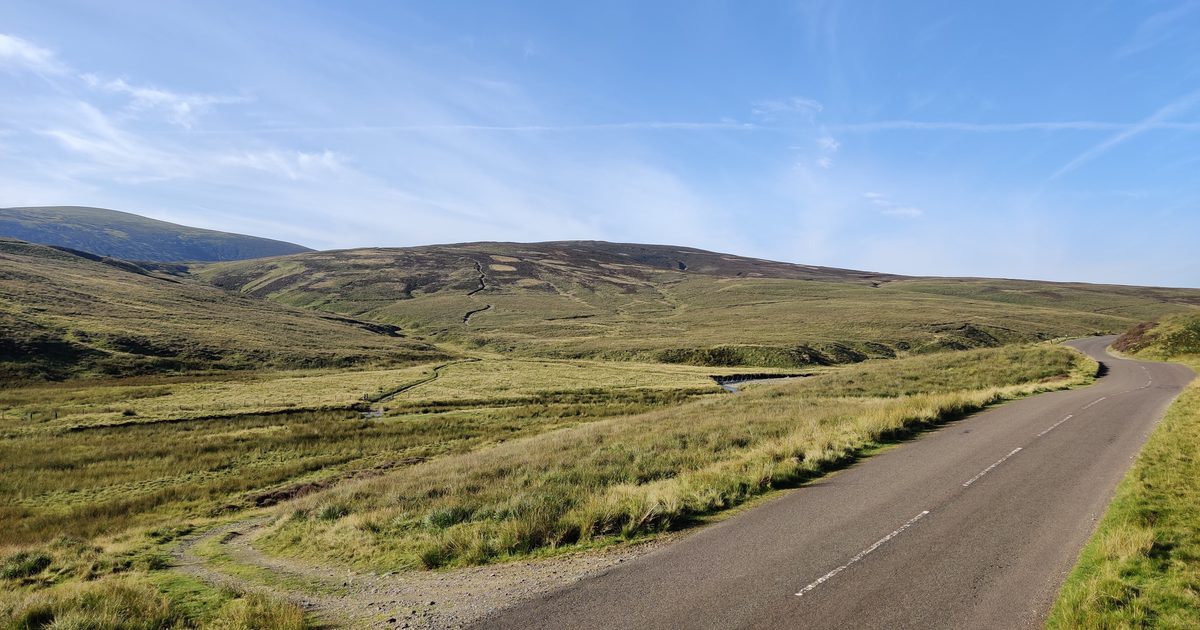
What it is: the Kildonan Burn at Baile an Or in the Strath of Kildonan, Sutherland - scene of the 1869 Sutherland gold rush. It is not guided: you pan on a Suisgill Estate permit, for a maximum of two weeks a year. The estate allows basic, eco-friendly equipment only - a gold pan, a hand sieve, a hand trowel, a small spade and a small gravel pump - and sluices are strictly prohibited. Just along the strath, the private Suisgill Burn is, in the estate's words, "reserved exclusively for guests of Balvallioch Cottage or Upper Suisgill Lodge", who receive written permission to pan as part of their stay. It is a self-catering let, not a guided package.
How to book: permits are bought online via a QR code - see the Suisgill Estate gold panning page, which at the time of writing says panning is closed over the winter. More in our Kildonan and Helmsdale guide.
Two private days in the Scottish goldfields (2027 founding season)
Our own experience. These days are run by me, Kieran Lenton, the founder of UK Gold Prospector, so we earn from bookings. Read this as our listing, not an independent review - everything below is taken from the experience days page.
This one is for people who want to come home able to find gold themselves: two full days panning for real gold in the Scottish hills, privately, one group at a time - one person or a pair, no classroom and no crowd. Day one is kit and technique, then reading the burn and panning real stream gravel down to the black sand. Day two moves to a different burn, working gravel bars and bedrock cracks in the stream bed - never the banks - and finishes with your concentrate cleaned up and your gold in a vial.
What is included: two full days of one-to-one guiding; your own XP gold panning kit to take home; all your panning permits for the trip (one each), plus a 12-month permit where the ground used offers one; all the equipment for the two days and a midge net hat to keep; a fire-cooked meal on the evening of day one, if you would like it; lifetime access to the UK Gold Prospector map; and the gold guarantee - if by the end of day two you have not found a single flake you can see with the naked eye, you go home with at least 0.3g of natural river gold in a vial, supplied by me (one vial per person). Not included: waders, travel to the meeting point, accommodation and lunches.
Who it suits: beginners and improvers who want to learn on a real stream and then go it alone. Over-16s can book on their own; under-16s are welcome as the second person with a paying adult.
Where things stand: the 2027 founding season has 12 two-day slots in Scotland, at £425 for one person or £695 for two; Wales and Devon/Cornwall dates are still to be confirmed. The days will run on recognised panning ground in Scotland, with the panning permit in place, for the 2027 season. If I have to cancel your dates, you get everything back in full.
How to book: pick a slot on the 2027 calendar and it is held free for 48 hours; a £50 deposit confirms it, with the balance due four weeks before. Cancel more than four weeks out and you lose only the deposit. Gift vouchers are available too.
Two days in the goldfields, just you and the burn
Kit to keep, permits for the trip and the gold guarantee. 2027 founding season, 12 slots - full refund if I cannot run your days.
Going solo: Tyndrum
Tyndrum has no guided sessions to book, but it has a seasonal community panning permit scheme. It is a good next step once you know what you are doing - our Tyndrum guide has the details.
Wales: can you visit a gold mine and pan?
Yes, but only at one place: of the Welsh gold districts, only Dolaucothi is open to visitors.
Dolaucothi Gold Mines (National Trust)
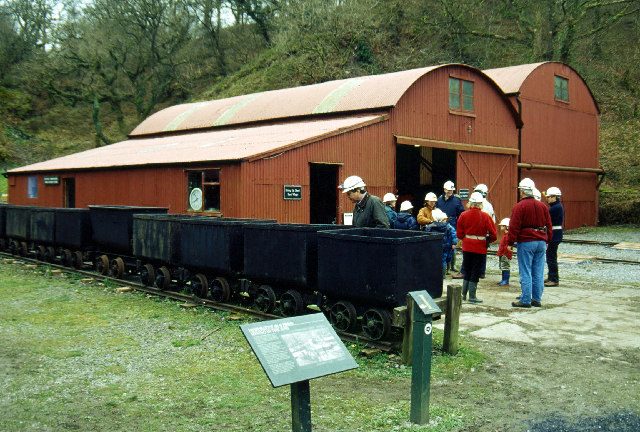
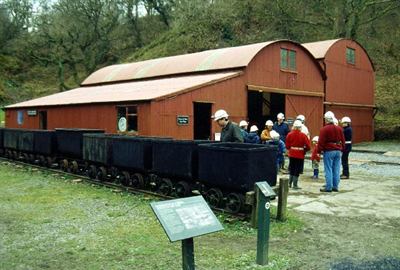
What it is: a National Trust site in the Cothi Valley at Pumsaint, near Llanwrda in Carmarthenshire, which the Trust describes as the UK's only known Roman gold mine. Mining there started at least 2,000 years ago and ended just before the Second World War. A visit can include a guided Victorian Mine Tour or Level Mine Tour underground, the self-guided Roman Mine Trail through a floodlit Roman adit, and gold panning - the Trust says anything you find, you keep.
Who it suits: families and history lovers - it is a heritage day out rather than a panning course.
How to book: underground tours must be booked in advance through the National Trust's Dolaucothi page, which also has current opening days, tour times and prices. The mines close over winter, so check opening before you travel. For the mine's Roman and Victorian story, see Dolaucothi in our UK gold mines guide.
Clogau: can you visit the Clogau gold mine?
No. Clogau St David's, near Bontddu in Gwynedd, is not a visitor attraction and has no mine tours or panning to book. Mining there ceased in 1998, and Visit Wales describes Clogau and its neighbour Gwynfynydd as closed at the moment. The name lives on in jewellery: William Roberts, the founder of Clogau Gold of Wales Ltd, reopened the mine in 1989, and small-scale mining from 1992 to 1998 supplied gold for Clogau jewellery.
Visit Wales describes a Clogau Trail walk among the old workings - but never enter old mine workings, and do not pan there on spec: the most productive rivers in the Dolgellau Gold Belt run through NRW-managed land where panning is prohibited. See Welsh gold at Clogau and Dolgellau and whether gold panning is legal in Wales.
England: where can you try gold panning?
England has no public recreational panning permit scheme and no general right to pan, so you always need the landowner's permission - which makes a guided experience on private land the simplest way in.
Holsworthy Gold Panning, Devon
Partner listing. A local operator we think readers will find genuinely useful - the wording below is the operator's own, approved by them.
Want to try panning without the hassle of finding your own spot and sorting landowner permission? Holsworthy Gold Panning runs a fun and friendly guided experience at Southcombe Farm near Holsworthy.
You will pan gravel beds using traditional equipment focusing on learning proper technique. They don't use suction pumps and sluices - it's about learning to pan, having fun and hopefully finding some gold!
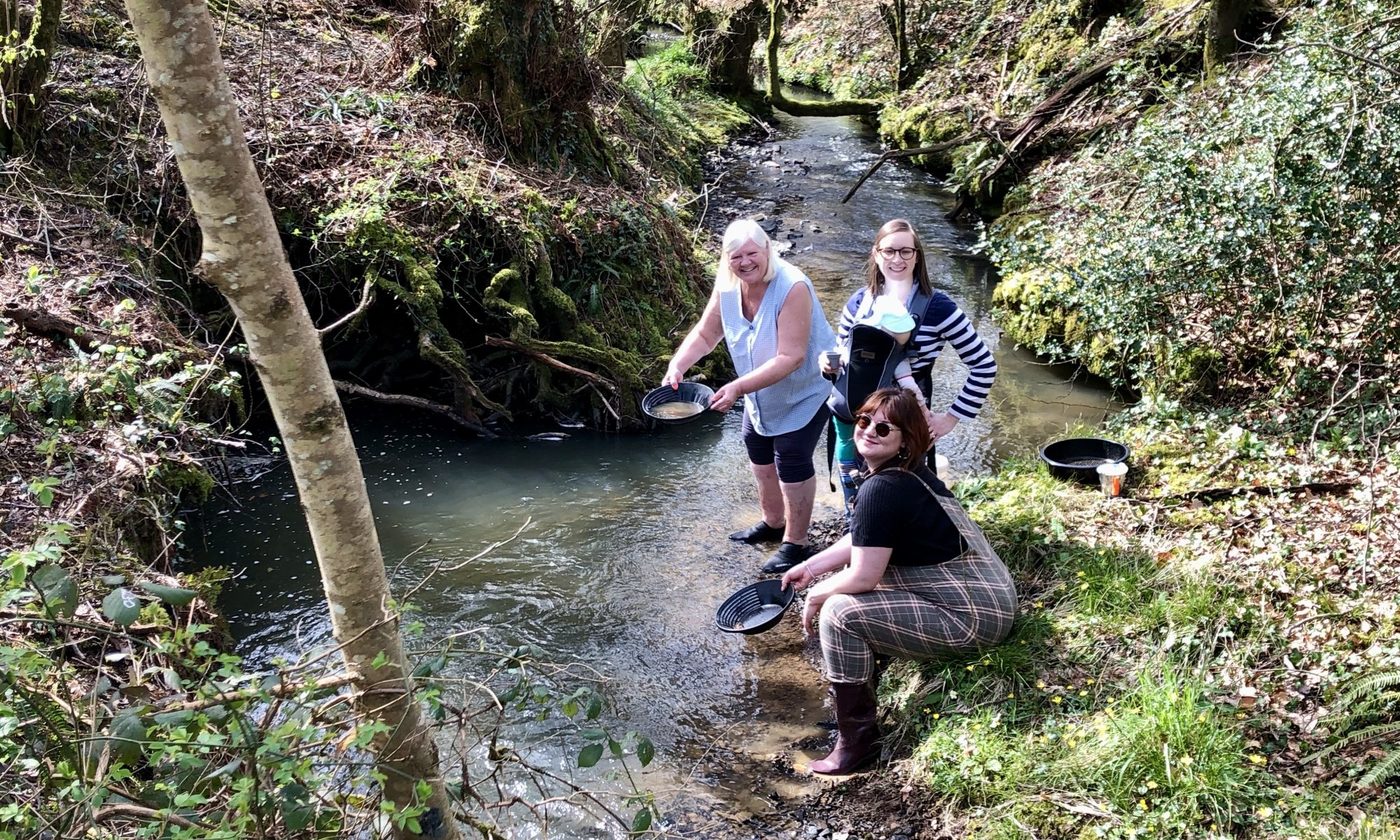
For more details including opening times, prices and booking, visit devongoldrush.com.
For the wider picture of Devon's gold, see Is There Gold in Devon?
Can you keep the gold you find on a panning day?
It depends on the venue and the ground, so check the terms before you book. By royal prerogative (England and Wales) and under the Royal Mines Act 1424 (Scotland), naturally occurring gold belongs to the Crown in most cases; in Scotland the rights were granted away by deed in some areas, including Sutherland. In Scotland, a permit at a designated site is the landowner's permission to pan that ground; it does not by itself make the gold yours. In England and Wales, The Crown Estate says it does not grant permission for people to remove any gold by panning.
Booked experiences set out their own terms. The Museum of Lead Mining says taster panners take home the flakes they find in its tanks, the National Trust says panners at Dolaucothi keep anything they find, Holsworthy Gold Panning says any gold or silver found belongs to the Crown and is returned to the stream, and the UK Gold Prospector experience days page lists the gold you find as going home with you under the panning permit's terms. The full legal background is in our UK gold panning laws guide, and permit costs are compared in how much a gold panning licence costs.
Which gold panning experience should you book?
- A first try with young children: the 20-minute taster at Wanlockhead, gold panning at Dolaucothi, or Holsworthy Gold Panning in Devon.
- A proper day of instruction: the 5-hour course at the Museum of Lead Mining.
- Learning to find gold on your own, privately: UK Gold Prospector's two-day experience days in Scotland, 2027 founding season.
- Going solo with your own kit: a Kildonan Burn permit, or Tyndrum - and the UK Gold Prospector map to plan where to go next.
Afterwards you will want a pan of your own - see our gold panning starter kit.
Frequently Asked Questions
Where can I book a gold panning experience in the UK?
In Scotland: the Museum of Lead Mining at Wanlockhead (a taster or a 5-hour course), Suisgill Estate permits for the Kildonan Burn near Helmsdale, and UK Gold Prospector's private two-day experience days for the 2027 founding season. In Wales: the National Trust's Dolaucothi Gold Mines. In England: Holsworthy Gold Panning in Devon. Most are seasonal, so check each venue's website before you travel.
Can you visit the Dolaucothi Gold Mines?
Yes, in season. Dolaucothi, at Pumsaint in Carmarthenshire, is run by the National Trust, which describes it as the UK's only known Roman gold mine. It offers guided underground tours, the self-guided Roman Mine Trail and gold panning. Tours must be booked in advance. The mines close over winter, so check the National Trust website for current opening before you travel.
Can you visit the Clogau gold mine?
No. Clogau St David's mine near Bontddu in north Wales ceased mining in 1998 and has no mine tours to book; Visit Wales describes it as closed at the moment. Clogau today is best known as the Clogau Gold of Wales jewellery brand. For a Welsh gold mine you can go inside, book Dolaucothi.
Is there a National Trust gold mine?
Yes. The Dolaucothi Gold Mines in the Cothi Valley, Carmarthenshire, are run by the National Trust. It is the UK's only known Roman gold mine, where mining started at least 2,000 years ago and ended just before the Second World War. The Trust runs underground tours and gold panning in season.
Are there gold panning holidays in the UK?
A few options work as a short break. UK Gold Prospector is taking bookings for private two-day experience days in Scotland for one or two people in its 2027 founding season. Guests at the Suisgill Estate's Balvallioch Cottage or Upper Suisgill Lodge in Sutherland get written permission to pan the private Suisgill Burn, and the nearby Kildonan Burn can be panned on an estate permit for up to two weeks a year, outside the estate's winter closure.
Can I keep the gold I find on a panning day?
It depends on the venue's terms. Naturally occurring gold belongs to the Crown in most cases, by royal prerogative in England and Wales and under the Royal Mines Act 1424 in Scotland, and in Scotland a site permit is the landowner's permission to pan that ground; it does not by itself make the gold yours. Booked venues set their own terms for finds, so check before you book.
Will I definitely find gold?
It depends on the experience. The Museum of Lead Mining says its taster participants will find a few flakes of real gold in its tanks. On a natural stream, finds vary and are usually fine gold and small flakes, not nuggets. UK Gold Prospector's two-day experience carries a gold guarantee: if you have not found a single flake you can see with the naked eye by the end of day two, you go home with at least 0.3g of natural river gold in a vial, supplied by UK Gold Prospector.
Important: Venue details on this page were checked in November 2026 where the venue's own website could be read. Sessions, seasons, prices and booking arrangements change, so always confirm with the venue before you travel. Gold and silver are generally Crown property in the UK, and every venue sets its own terms for finds. Never pan without the landowner's permission, never dig the bank, and never enter old mine workings. This article is general guidance, not legal advice. Full detail in our UK gold panning laws guide.
Two days on a Scottish burn, just you and the gold
Private experience days with full tuition, your own kit to keep and the gold guarantee. 2027 founding season, 12 slots.
Plan your own trips - the UK Gold Prospector map shows UK gold sites with geology and access notes. Or start with the free 16-page Beginner's Pack.
Open the live map →