Short answer
Yes. Detectorists across Britain regularly find gold — gold coins, gold rings and jewellery, hammered gold, and occasionally major hoards like the Staffordshire Hoard. Metal detecting is one of the country's great treasure hobbies, and gold is a real part of it. The one gold a detector won't find is the fine natural flake in our rivers — that's a panning job. So for gold objects, a detector is exactly the right tool; for natural river gold, you pan.
It is one of the most common questions new prospectors ask, and the good news is a firm yes: detectorists genuinely find gold in Britain. Metal detecting is one of the country's most rewarding hobbies, and gold is a real part of it — gold coins, gold rings, hammered gold and, on rare golden days, hoards. This guide covers the gold detectorists actually find, the law you must follow, how to start, and the gold-capable machines that do it. It also flags the one gold a detector won't find, so you always pick the right tool.
We will keep every claim honest, because that is what makes this hobby worth trusting. By the end you will know exactly what gold turns up under a detector, how to start finding it legally, and which machines the specialists point gold hunters at — plus the one gold that is a gold pan job rather than a detecting one. Every gold-bearing river we mention is plotted on the UK Gold Prospector interactive map, with access notes attached.
In this guide
- Can you find gold metal detecting in the UK?
- The gold detectorists actually find
- The one gold a detector won't find: river flake
- The law: permission, scheduled sites, the Treasure Act
- How to start metal detecting for gold in the UK
- The detectors that find gold
- Detecting and panning: two routes to British gold
- Frequently asked questions
Want the gold, not the guesswork?
The live map shows 200 verified UK gold-bearing rivers and streams — the places where panning actually pays off — with GPS coordinates and access notes.
Can you find gold metal detecting in the UK?
Yes — and Britain is one of the best countries on earth to do it. Detectorists here regularly pull real, valuable gold out of the ground: gold coins, gold rings and jewellery, hammered gold, Bronze Age gold, and every so often a hoard that rewrites the history books. Two thousand years of Romans, Saxons, Vikings, medieval markets and everyday life left an extraordinary amount of gold buried in British soil, and a metal detector is exactly the tool that finds it.
The single most famous example says it all. In 2009 a metal detectorist searching a Staffordshire field uncovered the Staffordshire Hoard — the largest hoard of Anglo-Saxon gold ever found, thousands of gold and silver pieces. That is the dream at the far end of the hobby, but ordinary detecting days turn up gold too: a hammered gold coin, a lost gold ring, a gold Celtic stater in a ploughed field. This is genuine gold, genuinely found, all over the country.
There is one honest thing to know so you always choose the right tool: the fine natural flake gold in Britain's rivers is too small and too scattered for a detector, and it is recovered by panning instead. That is a single helpful distinction, not a catch — for gold objects you detect, for natural river gold you pan, and plenty of enthusiasts happily do both. Everything below covers the detecting side in full: the gold you'll find, the law, how to start, and the machines that do it.

The gold detectorists actually find
Britain has been densely settled for thousands of years — Romans, Saxons, Vikings, medieval markets, centuries of farming, trade and travel — and all of that left gold in the ground. A detector is superb at finding it. The classic British gold finds detectorists dream of, and genuinely make, are:
- Gold coins — Celtic gold staters, gold guineas and gold sovereigns, plus hammered gold coins from the medieval and Tudor mints. These are among the most treasured finds in the whole hobby.
- Gold rings & jewellery — signet rings, wedding bands, brooches and pins lost across the centuries and waiting in the topsoil.
- Hammered gold — thin, hand-struck gold coinage from before the age of milled money, prized for its history as much as its metal.
- Bronze Age gold — some of Britain's oldest worked gold, from bracelets to ornaments thousands of years old.
- Hoards — the rarest thrill of all. The Staffordshire Hoard, found by a detectorist in 2009, is the largest Anglo-Saxon gold hoard on record and the benchmark every detectorist half-dreams of.
Every one of these is real gold, genuinely found by hobbyists across Britain. Some are worth a great deal; all of them are a direct, tangible link to the people who dropped or buried them. This is what makes detecting for gold in the UK so rewarding — the country's long, gold-rich history is quite literally under your feet, and the right machine can reach it.
The one gold a detector won't find: river flake
Here is the single distinction worth knowing so you always pick the right tool. Alongside all the gold objects buried in Britain's soil, our rivers carry natural placer gold — fine flakes and dust washed out of the bedrock over millennia. Individual flakes are often smaller than a pinhead, and they sit scattered through gravel rather than as one solid target, so even a sensitive gold-specific detector can't reliably sense them. That is a physics fact, not a knock on detecting.
Natural river gold is a panning target instead: you wash the light material away and let the heavy gold settle out. It's a brilliant, cheap way into prospecting and completely complementary to detecting. If that's the gold you're after, start with the interactive gold map to find rivers that actually carry it, then learn how to read a river for gold to know exactly where to dig.
The one-line version: A detector finds gold objects — coins, rings, hammered gold, hoards. The fine natural flake in our rivers is too small and scattered to detect, so you pan for that. Two kinds of British gold, two tools — pick by which one you're after.
The law: permission, scheduled sites, the Treasure Act
Whichever gold you're chasing, the law matters, and detecting has its own framework on top of the general rules. Get this right before you set foot on any land.
You need the landowner's permission
There is no general right to metal detect anywhere you like. You must have the permission of the person who owns or controls the land. Detecting without it can amount to trespass and, where finds are removed, potentially theft. Permission first, always.
Scheduled monuments and designated land are off-limits
It is illegal to metal detect on a scheduled monument under the Ancient Monuments and Archaeological Areas Act 1979. Detecting is also restricted on Sites of Special Scientific Interest (SSSIs) and on certain other designated and protected land. Always check a site's status before you go — designation is not always obvious on the ground.
The Treasure Act 1996
If you find objects of gold or silver more than 300 years old, you are legally required to report them under the Treasure Act 1996. In practice that means reporting to the coroner, usually through your local Finds Liaison Officer via the Portable Antiquities Scheme, who record and assess the find. This is a legal duty, not a courtesy — and the Scheme is also how a great deal of the nation's history has been pieced together.
Natural gold and silver belong to the Crown
Separately, naturally occurring gold and silver in the ground are Crown property by royal prerogative (the Mines Royal). That applies to the natural flake gold a panner recovers as much as anything else, which is one reason responsible UK gold panning is done with permission and a light touch. The full picture for panners is in our UK gold panning laws guide.
How to start metal detecting for gold in the UK
Getting into it is easier than most people expect. A handful of sensible first steps put you on gold-bearing ground legally and give you a real chance of finding something worth keeping:
- Get landowner permission first. There is no general right to detect anywhere — you need the permission of whoever owns or controls the land. A friendly ask to a local farmer, in writing, is how most productive permissions begin.
- Consider joining a club or the NCMD. A local metal-detecting club is the fastest way to learn, and the National Council for Metal Detecting (NCMD) offers membership and insurance that many landowners like to see before they say yes.
- Record your finds with the PAS. Logging finds with your local Finds Liaison Officer through the Portable Antiquities Scheme is good practice, is how gold finds get properly identified, and is a legal duty for anything that falls under the Treasure Act.
- Choose a capable machine and the right coil. A gold-capable, higher-frequency detector with a suitable search coil gives you the best shot at small gold. See the specialist picks below.
- Search where history concentrates. Old routes and droveways, fields with a known past, footpaths, commons and — with the right permits — beaches and the foreshore are where lost coins, rings and gold tend to turn up.
Note that many beaches and the Crown foreshore need a permit to detect, and the legal lines in the next-but-one section apply everywhere. Start with permission and a patient, methodical grid, and Britain's history does the rest.
Britain's gold, mapped
The interactive map plots 200 verified gold-bearing rivers and sites across Britain, each with GPS coordinates, geology and access notes — the perfect companion whether you detect, pan, or do both.
The detectors that find gold
The right machine matters. For gold you want a detector that is sensitive to small, low-conductive targets — a gold-capable, higher-frequency or pulse-induction machine — which also handles coins and relics superbly. Our advice is simple: buy from people who actually detect. That is why we point gold hunters at Regton, our UK specialist partner, rather than at a faceless online listing — the guidance that comes with the machine is worth as much as the machine itself.
Regton is a long-established British specialist whose team detect themselves, so they can steer you to the right detector and coil for the gold you are after. Below are three genuinely gold-capable machines they recommend — from a high-frequency all-rounder to a dedicated pulse-induction nugget detector — so you can choose by how committed you already are:
Our partner — a UK detecting specialist
Three gold-capable detectors from Regton
Regton is a long-established Birmingham metal-detecting specialist and a partner of UK Gold Prospector. These are three genuinely gold-capable machines their team recommends — high-frequency and pulse-induction detectors sensitive to the smallest gold, and fully at home on coins and relics too. One honest note: we currently earn no commission on these Regton links — they're here because they're real specialist recommendations. UK Gold Prospector readers get 10% off the Garrett machines, the HF2 coil and Regton's gold-panning range with code UKGP.

XP Deus II Gold
XP's flagship wireless machine with a dedicated gold program — superb sensitivity to small, low-conductive targets, at a serious-hobbyist price.
Code UKGP doesn't apply to the DEUS II Gold set, but if you already own a DEUS II, the HF2 coil that turns it into the Gold setup is 10% off with code UKGP.
Buy at Regton — UK specialist
Garrett Axiom
A pulse-induction NUGGET machine — Garrett's dedicated gold detector, truly in its element in mineralised and overseas nugget ground.
10% off with code UKGP
Buy at Regton — UK specialist
Garrett Goldmaster 24k
A high-frequency (48 kHz) detector tuned for the smallest gold, and sharp on coins and relics too — a lot of specialist machine for the money.
10% off with code UKGP
Buy at Regton — UK specialistDetector images: Regton. These are genuine specialist recommendations — gold-capable machines equally at home on coins and relics. For Britain's fine natural river flake, a gold pan is still the tool.
Detecting and panning: two routes to British gold
Britain gives you two genuine ways to gold, and they complement each other perfectly. A metal detector finds gold objects — gold coins, rings, hammered gold and, on the rarest days, hoards — across fields, old routes and the foreshore. A gold pan finds the natural flake gold that our rivers carry down from the hills. Neither replaces the other; plenty of enthusiasts happily do both, detecting one weekend and panning the next.
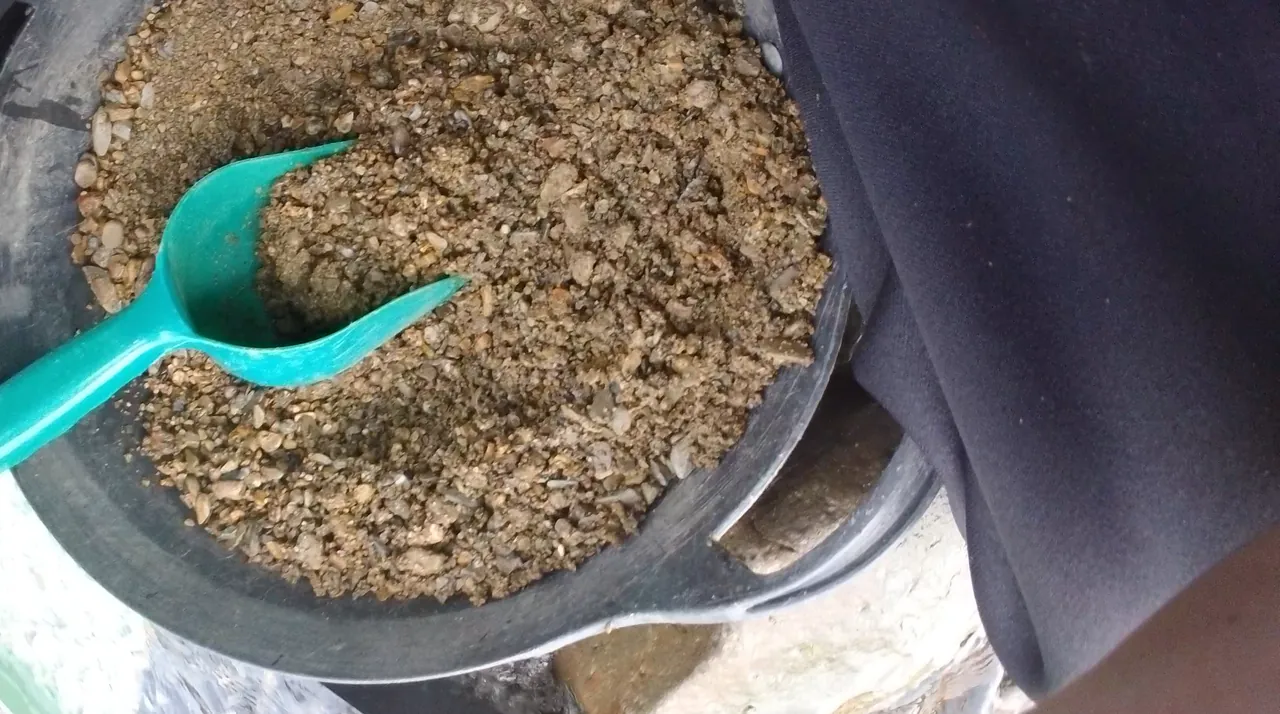
If you want to add panning to your prospecting, a gold pan, a classifier and a snuffer bottle are all you need to start — the full rundown is in our best equipment for gold prospecting guide, and how to read a river for gold shows you where to dig. New to it all? Grab the free 16-page Beginner's Pack: top UK locations with GPS, an equipment checklist and a legal cheat sheet. And whichever route you take, the interactive gold map points you where Britain's gold actually is.
Buy British: 10% off Regton's gold-panning range
Regton - our UK detecting and prospecting partner - stock the full gold-panning range: pans, classifiers, sluices and prospecting kit. UK Gold Prospector readers get 10% off with code UKGP.
Frequently Asked Questions
Can you find gold metal detecting in the UK?
Yes. Detectorists across Britain regularly find gold when metal detecting - gold coins such as Celtic gold staters, gold guineas and gold sovereigns, gold rings and jewellery, hammered gold, Bronze Age gold, and occasionally major hoards like the Staffordshire Hoard, found by a metal detectorist in 2009. The one gold a detector will not find is Britain's fine natural river flake, which is recovered by panning. So for gold objects a detector is exactly the right tool; for natural placer gold, you pan.
What gold do people find metal detecting in the UK?
People find gold coins - including Celtic gold staters, gold guineas and gold sovereigns - as well as gold rings and jewellery, hammered gold, Bronze Age gold, and occasionally hoards. The famous example is the Staffordshire Hoard, the largest Anglo-Saxon gold hoard ever found, discovered by a metal detectorist in 2009. These are gold objects lost or buried across Britain's long history, and they turn up in fields, on old routes and along the foreshore.
What is the best metal detector for finding gold in the UK?
The best choice is a high-frequency, gold-capable machine sensitive to small, low-conductive targets. UK specialists such as Regton stock exactly these - for example the XP Deus II Gold and the Garrett Goldmaster 24k - which handle gold objects, coins and relics well. The one honest caveat is that for Britain's fine natural river flake, nothing beats a gold pan, because those particles are too small and too scattered to detect.
Is it legal to metal detect in the UK?
Yes, with permission and within the law. You always need the landowner's permission for the land you search. Metal detecting is illegal on scheduled monuments under the Ancient Monuments and Archaeological Areas Act 1979, and it is restricted on SSSIs and certain other designated land. If you find gold or silver objects over 300 years old you are legally required to report them under the Treasure Act 1996 — to the coroner, usually via your local Finds Liaison Officer through the Portable Antiquities Scheme. Naturally occurring gold and silver in the ground belong to the Crown by royal prerogative (the Mines Royal).
Do I need permission to metal detect in the UK?
Yes. You must have the landowner's permission for any land you detect on. It is illegal to detect on scheduled monuments under the Ancient Monuments and Archaeological Areas Act 1979, and detecting is restricted or prohibited on SSSIs and certain other designated land. Many beaches and Crown foreshore also require a permit. Detecting without permission is trespass and can be a criminal offence on protected sites.
Do detectorists and panners find different gold in the UK?
Yes, and both are real British gold. A metal detector finds gold objects - gold coins, rings, hammered gold and hoards - across fields, old routes and the foreshore, which is where detecting shines. A gold pan finds the fine natural flake gold that Britain's rivers carry. Many enthusiasts do both: detect for gold objects, pan for natural placer gold. Choose by which gold you want, or take up both.
Can metal detectors find gold?
Yes, for gold objects. A metal detector finds gold coins, gold rings and jewellery, hammered gold and occasionally whole hoards, which is how most British gold finds are made. What a detector will not find is the fine natural flake gold in UK rivers: the pieces are far too small to register, so natural river gold is a panning job, not a detecting one.
Important: Metal detecting in the UK requires the landowner's permission and is illegal on scheduled monuments (Ancient Monuments and Archaeological Areas Act 1979) and restricted on SSSIs and other designated land. Gold and silver objects over 300 years old must be reported under the Treasure Act 1996, via the coroner and your local Finds Liaison Officer (Portable Antiquities Scheme). Naturally occurring gold and silver are Crown property by royal prerogative (the Mines Royal). This article is general guidance, not legal advice — always confirm permission and designation status before you go, and verify current law with the relevant authority. Panning law is covered in our UK gold panning laws guide.
Find Britain's gold, mapped
GPS coordinates, geology and access notes for 200 verified gold-bearing rivers and sites across Britain — your companion whether you detect, pan, or do both.
Free Beginner's Pack — 16-page PDF: top 10 UK locations with GPS, equipment checklist, legal cheat sheet and app tutorial.
Get the Free Pack →